Bacillus thuringiensis is used to produce a highly valued biological and natural insecticide in agriculture. In this technical sheet, we will look at the mode of action, characteristics and use of this important insecticide derived from a bacterium.
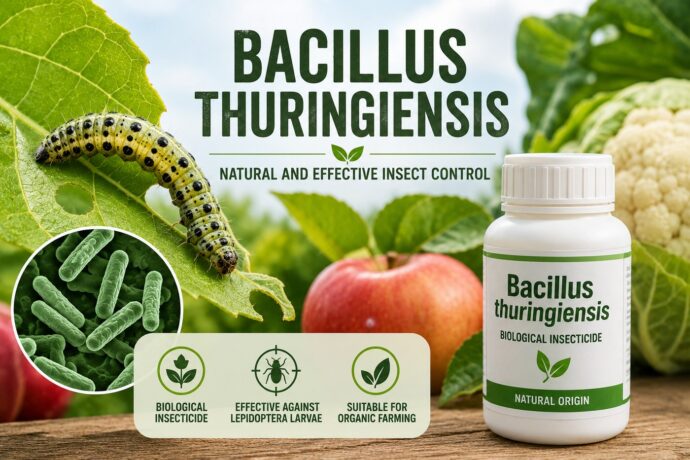
What is Bacillus thuringiensis and how to use it correctly
Bacillus thuringiensis (commonly abbreviated as B.t.) is used to produce one of the most important biological insecticides, which is also successfully used in conventional agriculture. Bacillus thuringiensis is a spore-forming Gram-positive bacterium characterised by the production of a protein crystal containing a toxin, the delta-endotoxin. B.t. is active against many species of insects, from Diptera and Lepidoptera to Coleoptera, but in agriculture the main target remains Lepidoptera. Bacillus thuringiensis, as a natural insecticide, is active only by ingestion and against insect larvae in their youngest stages. This means that treatment must be carried out when first-instar larvae appear, as this is the larval stage most sensitive to the toxin. Hence the importance of monitoring infestations in the field in order to intervene at the most appropriate time. Bacillus thuringiensis, as a biological insecticide, has no effect on eggs, and adults are almost completely resistant. The mode of action of Bacillus thuringiensis is due to the toxicity of a protein crystal that forms when the bacterium sporulates. When the protein crystal reaches the intestine of the target insect larva through ingestion, it comes into contact with the digestive juices and, in the highly alkaline environment (pH 9.5–12), the crystal dissolves, releasing the delta-endotoxin. This toxin causes paralysis of the muscles of the digestive and mouthparts. As a result, the larva stops feeding (within less than one hour after ingestion). In the most sensitive species, death can occur within a short period when the midgut epithelium is irreparably destroyed, while in more tolerant species death generally occurs a few days later. In this case, B.t. spores germinate, resulting in death from septicaemia or starvation. This product is completely harmless to mammals, including humans. Bacillus thuringiensis is successfully used against:
- the European corn borer,
- codling moth of apple and walnut
- cabbage white butterfly
- peach moth
Since the 1970s, subspecies of Bacillus thuringiensis have been discovered that are active not only against Lepidoptera but also against Diptera, Coleoptera and mosquitoes. The subspecies kurstaki is active against several species of Lepidoptera, including vapourer moth, cabbage white butterflies, ermine moths, fall webworm, corn borers, leopard moth, moths, Plutella maculipennis, processionary moths, Stilnoptia salicis, Mamestra, cutworms and some species of Coleoptera. The subspecies israelensis is used against several mosquito species belonging to the genera Aedes, Anopheles, Culex, Armigeres, Culiseta, Psorophora and Uranotaenia, as well as numerous species of black flies and chironomids. Finally, the subspecies tenebrionis is mainly used against chrysomelid beetles (Colorado potato beetle).
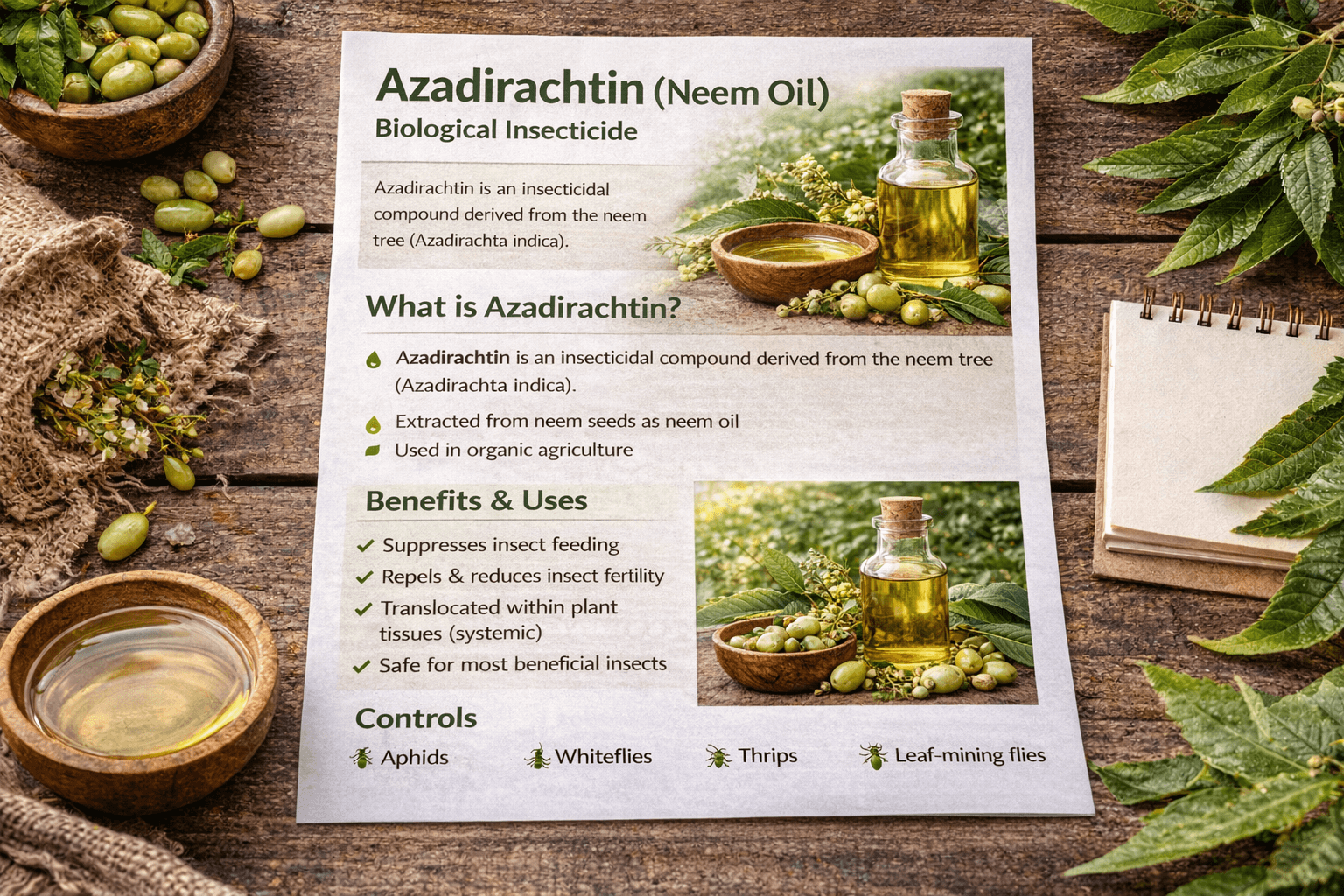
For correct treatment, it is necessary to identify the period when young larvae are most abundant. Field observations should therefore be carried out on the vegetation to identify all the signs that can help determine the optimal treatment time, such as the presence of egg masses, the beginning of damage to the vegetation or the number of adult females in flight (using coloured sticky traps or pheromone traps). If careful monitoring is carried out at regular intervals, it will be easy to detect any peak in insect presence. Treatments should be carried out at high volumes, favouring applications that also allow spraying inside the canopy. Since it is a contact product, new treatments will be necessary to cover newly growing vegetation. It is important to note that post-treatment monitoring is also essential in order to verify the effectiveness of the treatment and determine whether there is a need to intervene against any larvae that escaped the treatment itself. These can subsequently be treated with pyrethrum (see technical sheet here) or azadirachtin (see technical sheet here). Products based on Bacillus thuringiensis are permitted in organic farming.
List of commercial products based on Bacillus thuringiensis
- Bacillus Thuringiensis Kurstaki: https://amzn.to/4wmDzqM
- Bacillus thuringiensis israelensis: https://amzn.to/4hrqBV9