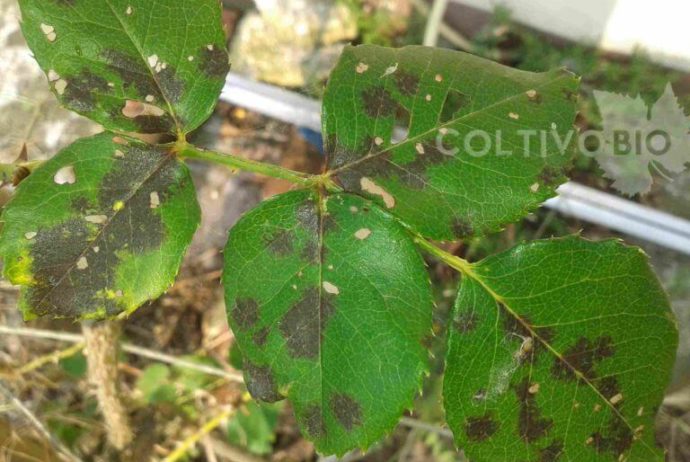

Fungal diseases
Citrus scab is a fungal disease caused by Elsinoë fawcettii. The fungus attacks young leaves, shoots, twigs and fruit, producing raised, rough lesions. The inside of the fruit is normally not damaged, but affected fruit may become misshapen and lose its commercial value. How to recognise citrus scab The first symptoms on young leaves are
Read more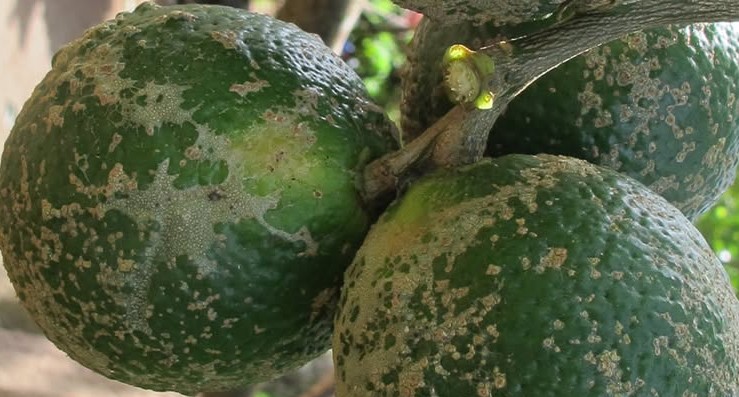
Sclerotium rolfsii, also known as Athelia rolfsii, is a soilborne fungus responsible for southern blight, also known as southern stem rot or collar rot. It is an extremely polyphagous pathogen that can infect tomatoes, peppers, eggplants, potatoes, beans, cucurbits, lettuce, strawberries, and numerous other cultivated and wild plants. The disease is particularly dangerous in warm,
Read more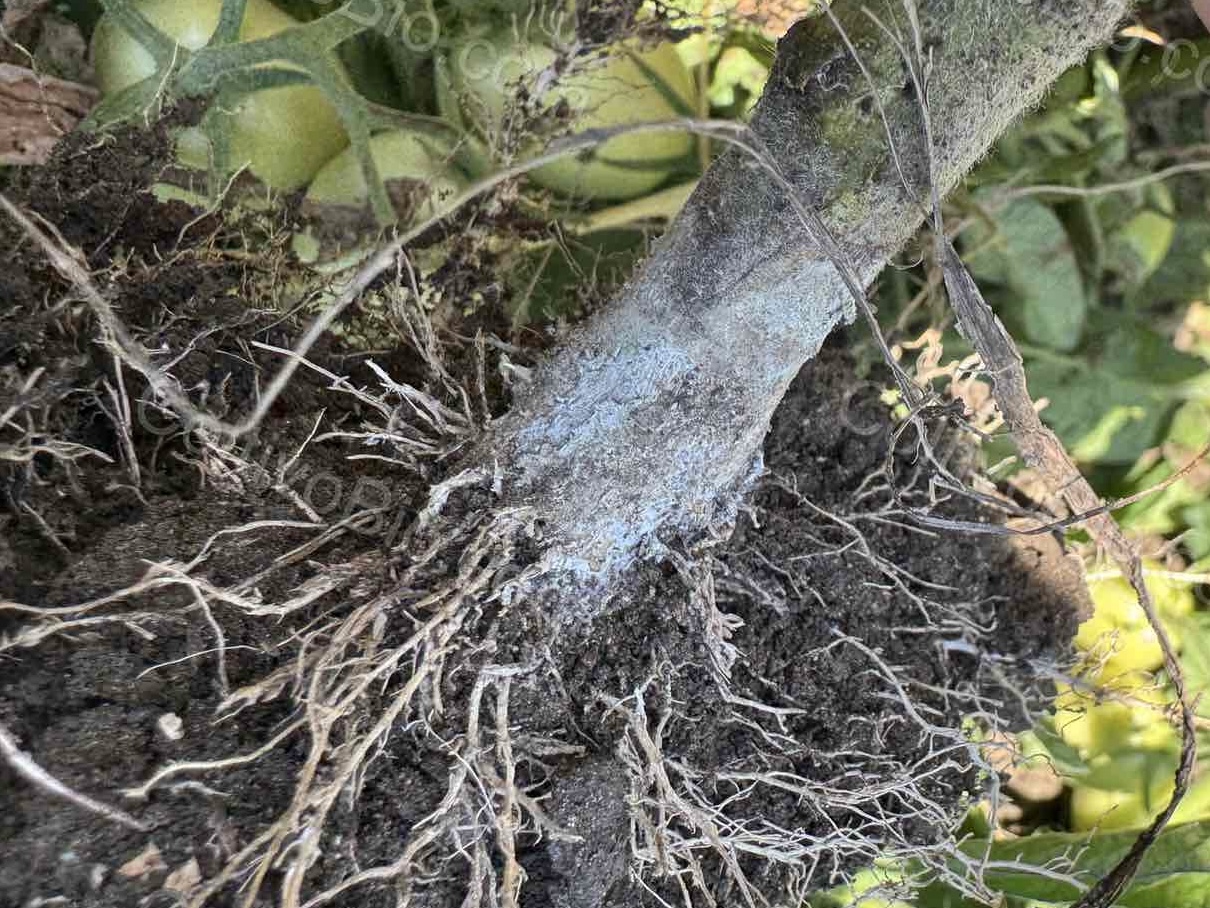
Tomato anthracnose is a fungal disease caused by several species belonging to the genus Colletotrichum. It primarily affects ripe tomatoes and can cause significant losses during harvest, storage, and marketing. The disease is especially common under warm temperatures, repeated rainfall, and high humidity. Symptoms of Tomato Anthracnose The most characteristic symptoms appear on ripe or
Read more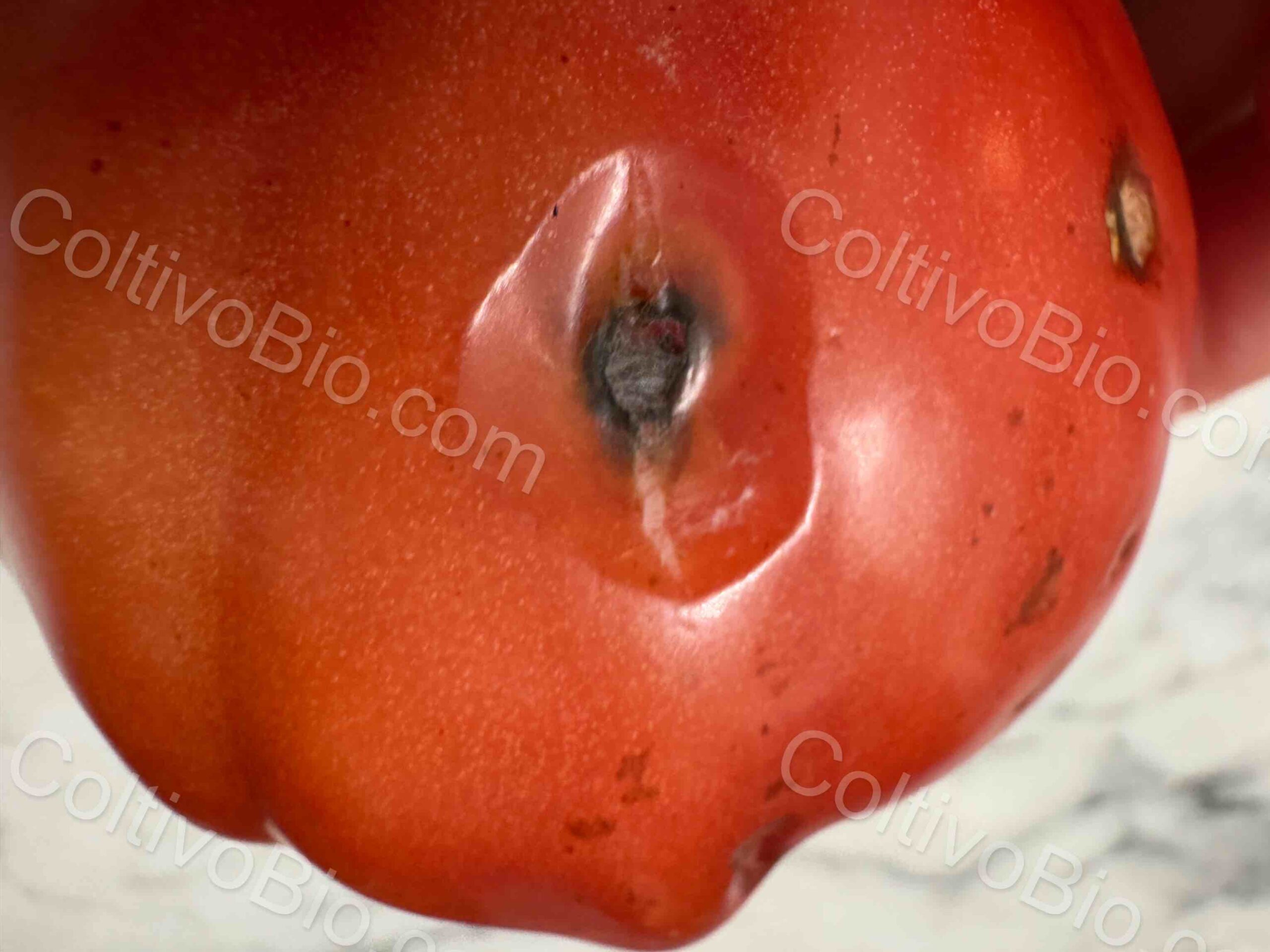
Plum rust is a fungal disease caused by fungi belonging to the genus Tranzschelia, including Tranzschelia pruni-spinosae. It mainly affects the leaves and is generally a mid-to-late season disease, which can become important during the second part of the growing season. 📷 Original photos from the field The images in this article are original photographs
Read more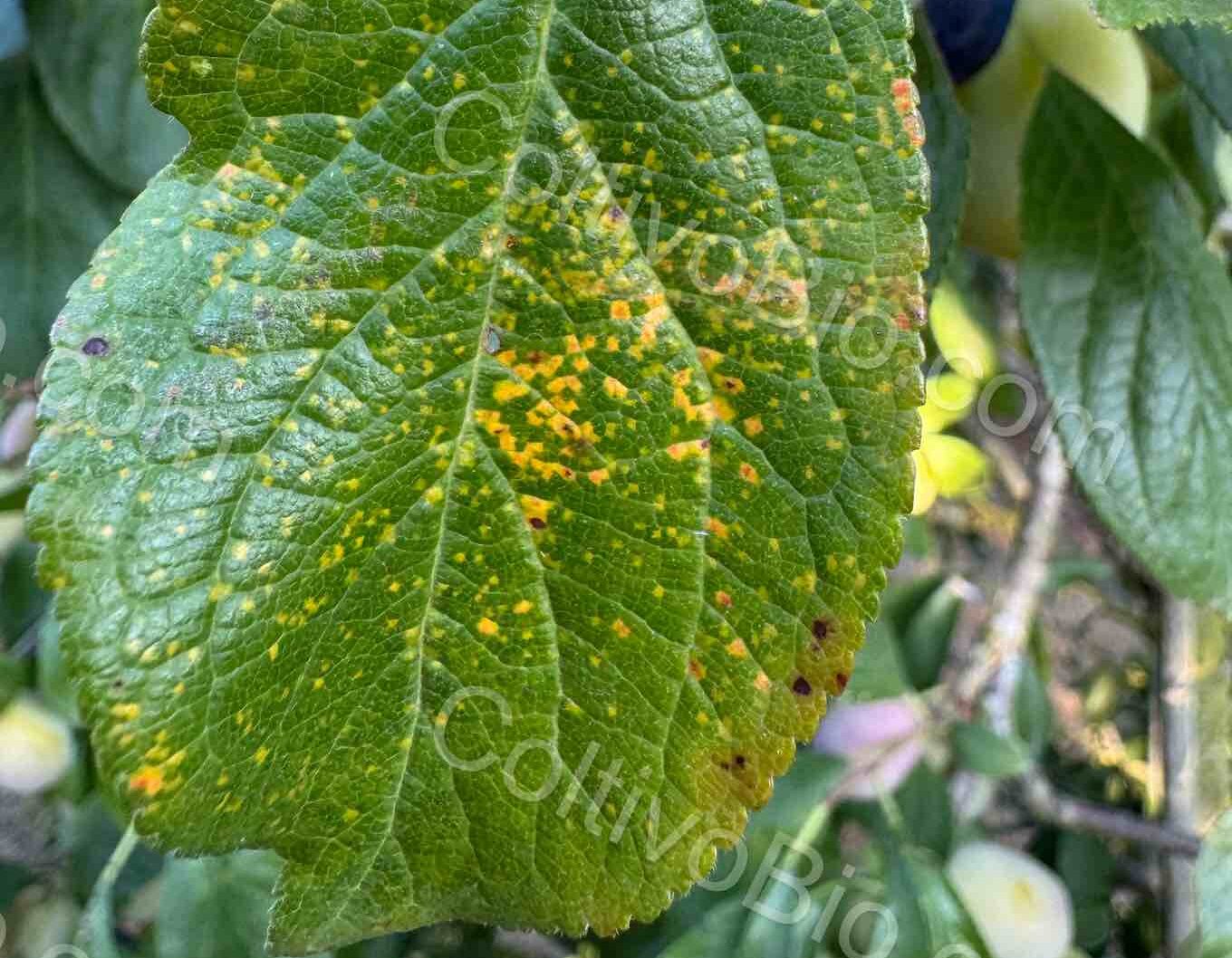
Silver leaf, also known as lead disease or silver leaf, is a fungal disease caused mainly by Chondrostereum purpureum. It can affect numerous tree species, but it is particularly important on stone fruits and especially on plum. 📷 Original photos from the field The images in this article are original photographs taken personally during monitoring
Read more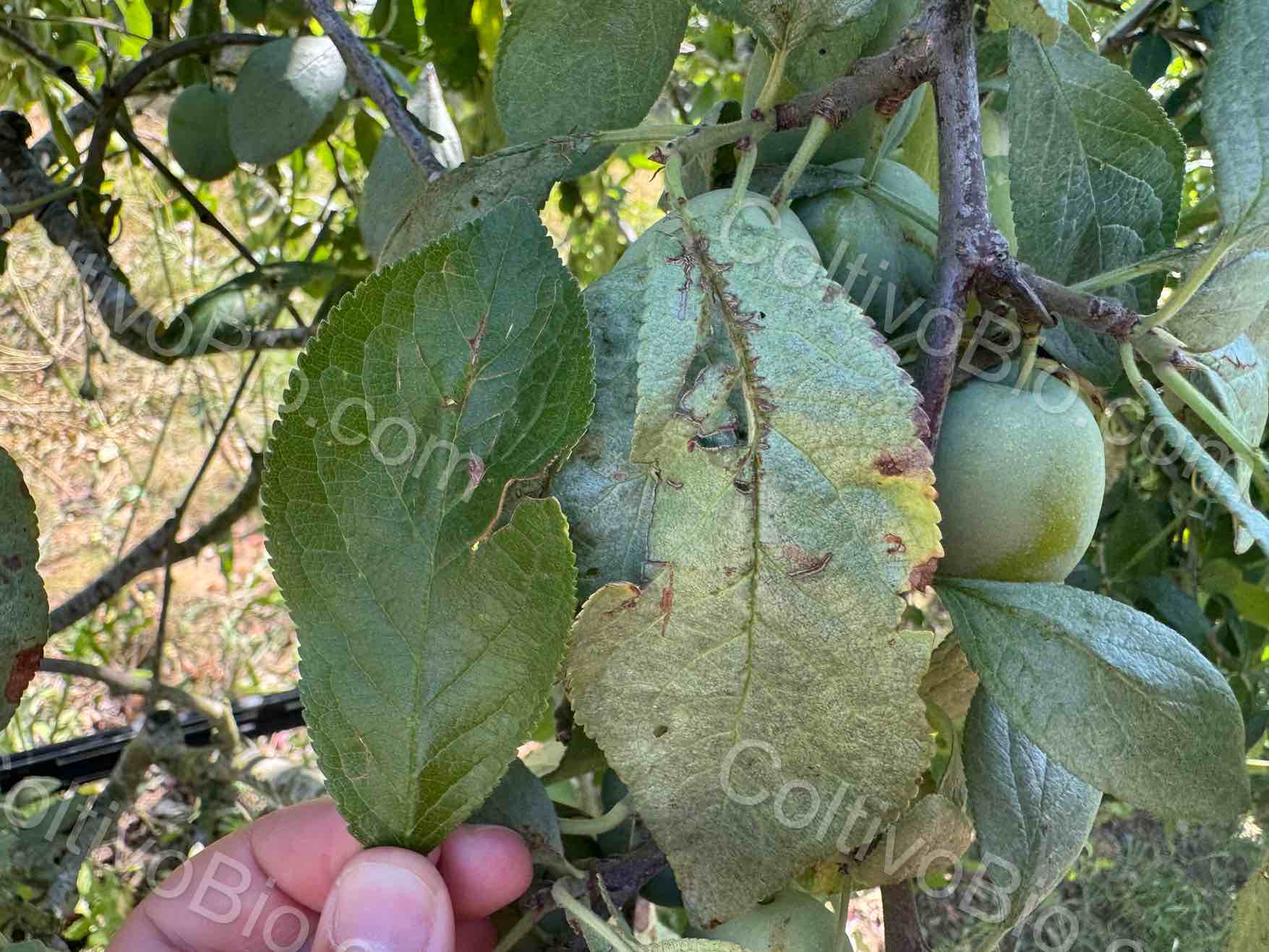
Phomopsis cane and leaf spot, caused by Phomopsis viticola, is a fungal disease commonly found in many grape-growing regions and particularly favoured by cool, wet spring conditions. Although it often receives less attention than downy mildew and powdery mildew, Phomopsis can cause significant damage to young shoots and negatively affect vineyard productivity. Symptoms of grapevine
Read more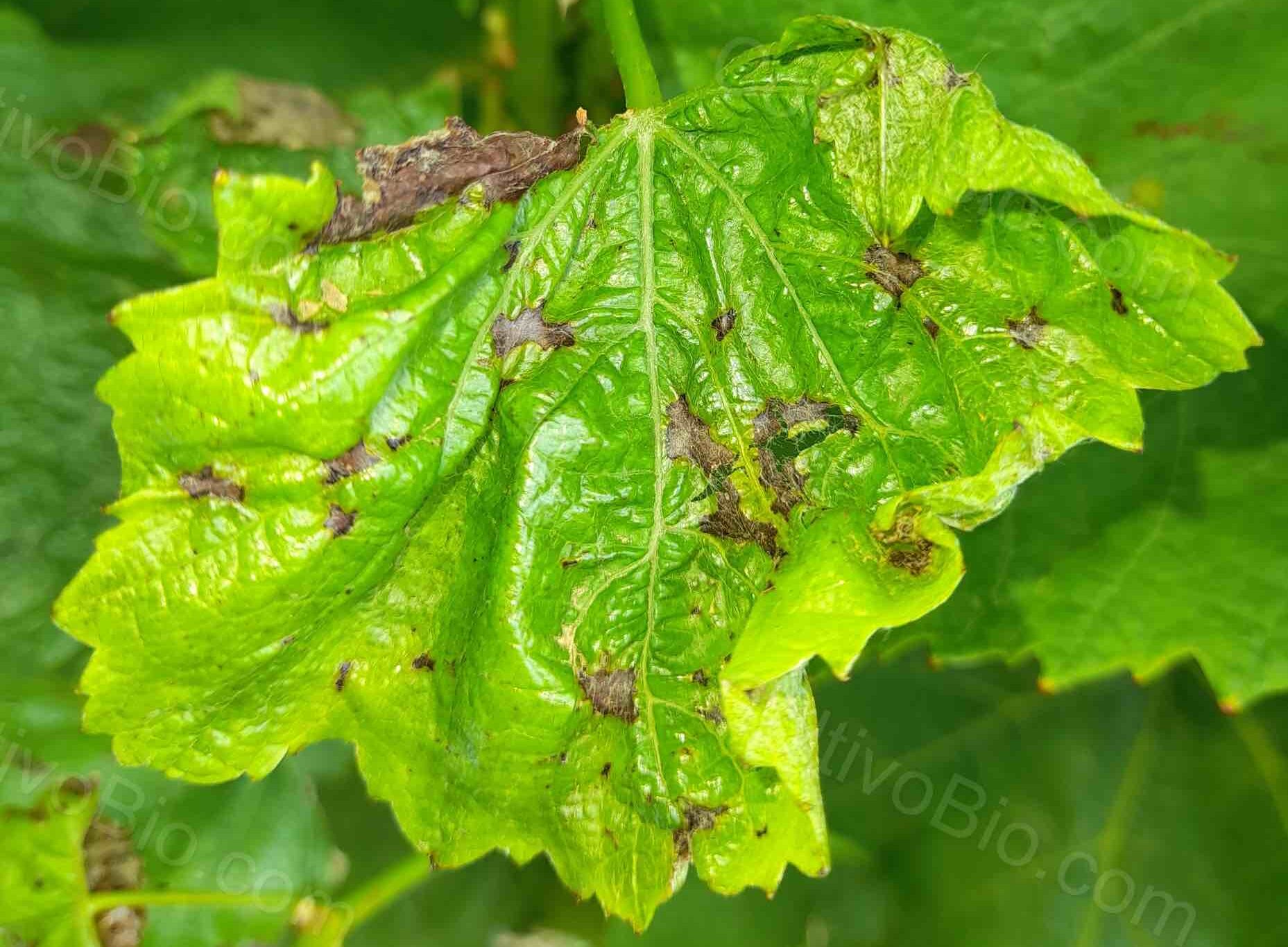
Botrytis, or gray mold, is one of the most common diseases affecting grapevines near harvest. In this technical guide, we will examine how to identify the disease and the correct management strategies in organic viticulture. This article contains affiliate links. We may earn a commission from qualifying purchases Description and symptoms of botrytis Along with
Read more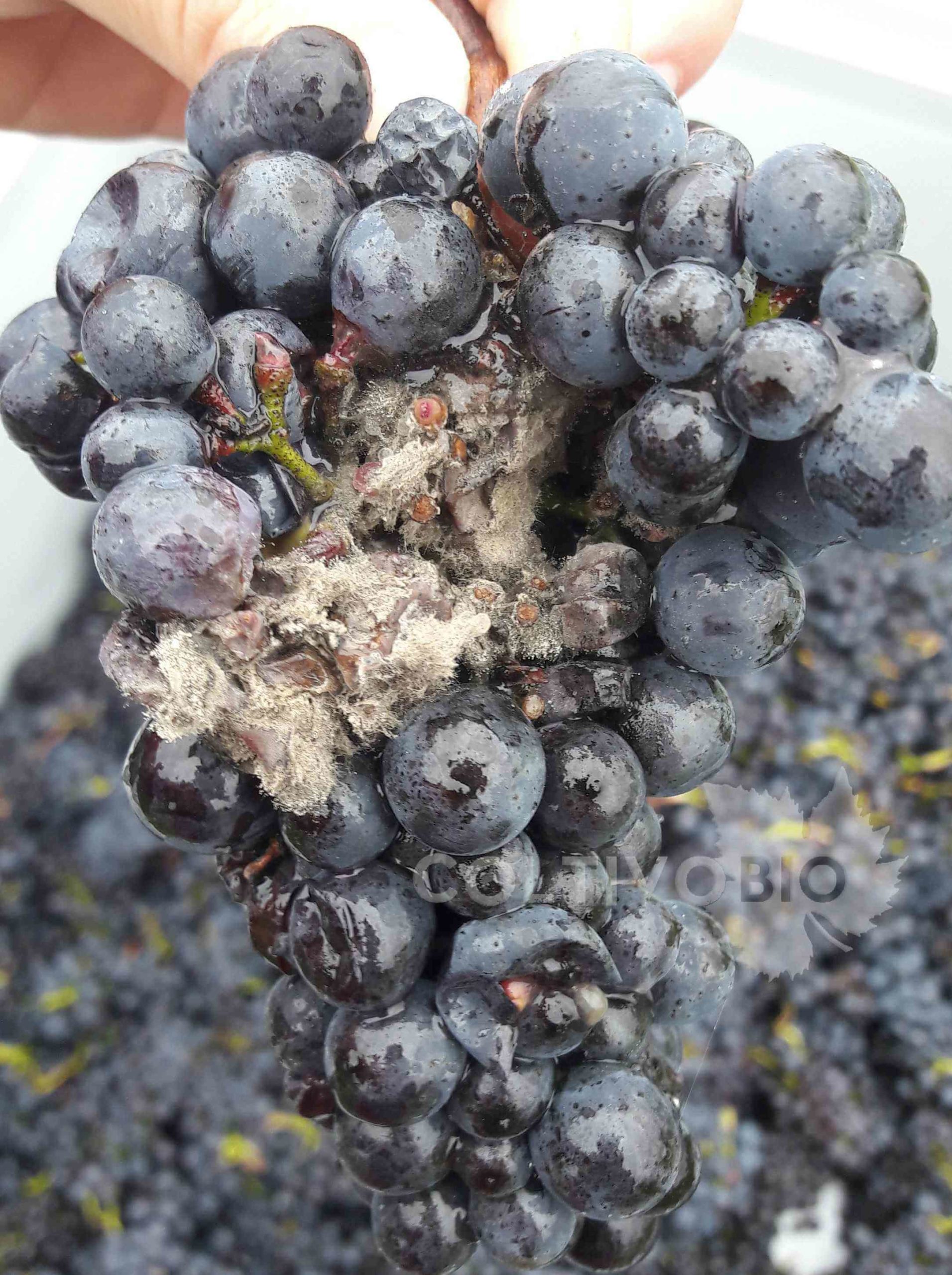
Black rot of grapevine is a fungal disease that can cause severe crop losses under favorable conditions. In this technical guide, we will examine how to identify the disease through detailed photographs and how to prevent it. Identification and damage Black rot is an important fungal disease of grapevine that can cause severe crop losses
Read more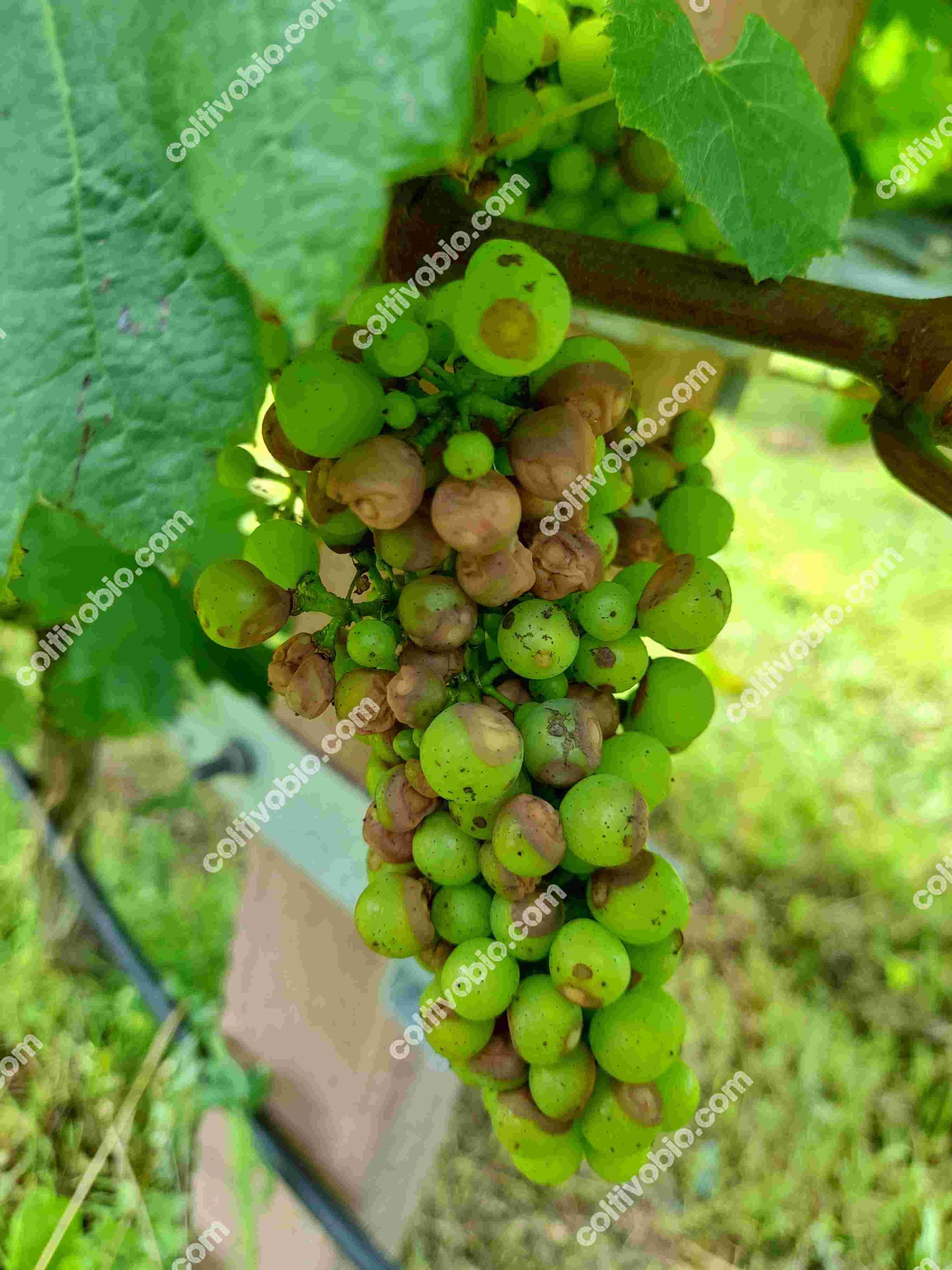
Esca disease of grapevine is a very common disease found in vineyards. It can be said that there is virtually no vineyard where this disease is completely absent. In this technical guide, we will scientifically explain how to identify and prevent this disease. This article contains affiliate links. We may earn a commission from qualifying
Read more
Powdery mildew is a fungal disease that affects grapevines. It is one of the most important and damaging diseases in viticulture. In this technical guide, we will examine the symptoms, biological cycle, control methods, and organic treatments for grapevine powdery mildew. This article contains affiliate links. We may earn a commission from qualifying purchases Identification
Read more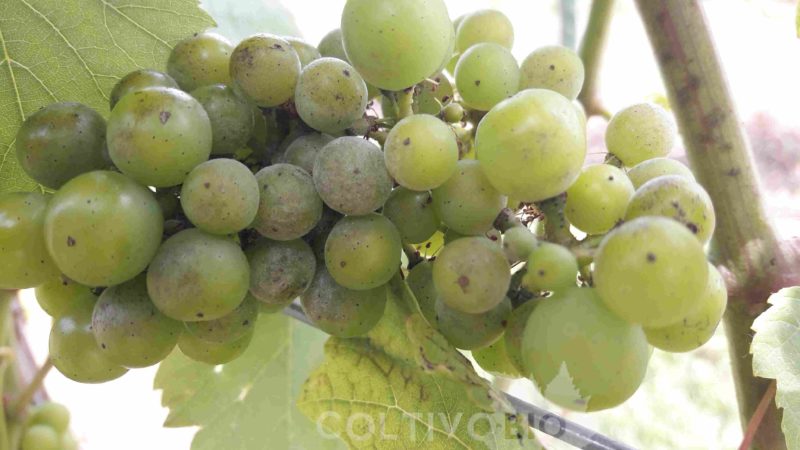
Plasmopara viticola is the causal agent of grapevine downy mildew, one of the most destructive diseases in viticulture. It is very difficult to control unless all preventive measures are implemented. This article describes the symptoms, damage, and biological cycle of downy mildew. This article contains affiliate links. We may earn a commission from qualifying purchases
Read more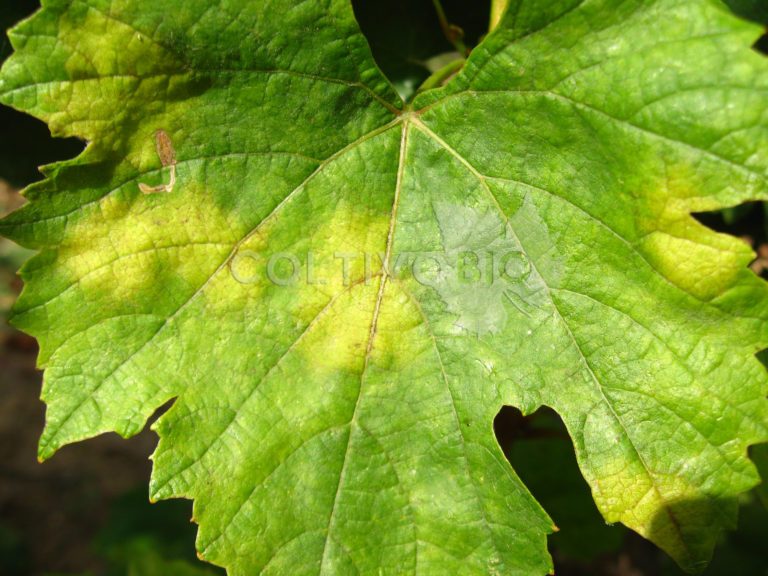
Rose rust is a common disease that affects roses and is considered the second most serious fungal disease after black spot. In this technical guide we will examine, from a scientific perspective, the damage caused by this fungus, its biological cycle, and how to effectively prevent and control the disease. Identification and damage The causal
Read more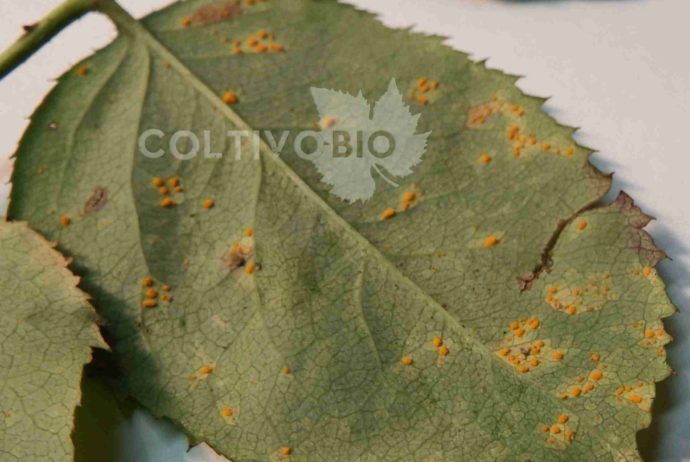
Rose powdery mildew (white mildew) is a disease caused by the fungus Sphaerotheca pannosa var. rosae. If not treated, this plant disease can cause serious aesthetic damage to rose plants. In the following technical guide we will see how to identify the symptoms and how to treat rose powdery mildew using natural remedies. At the
Read more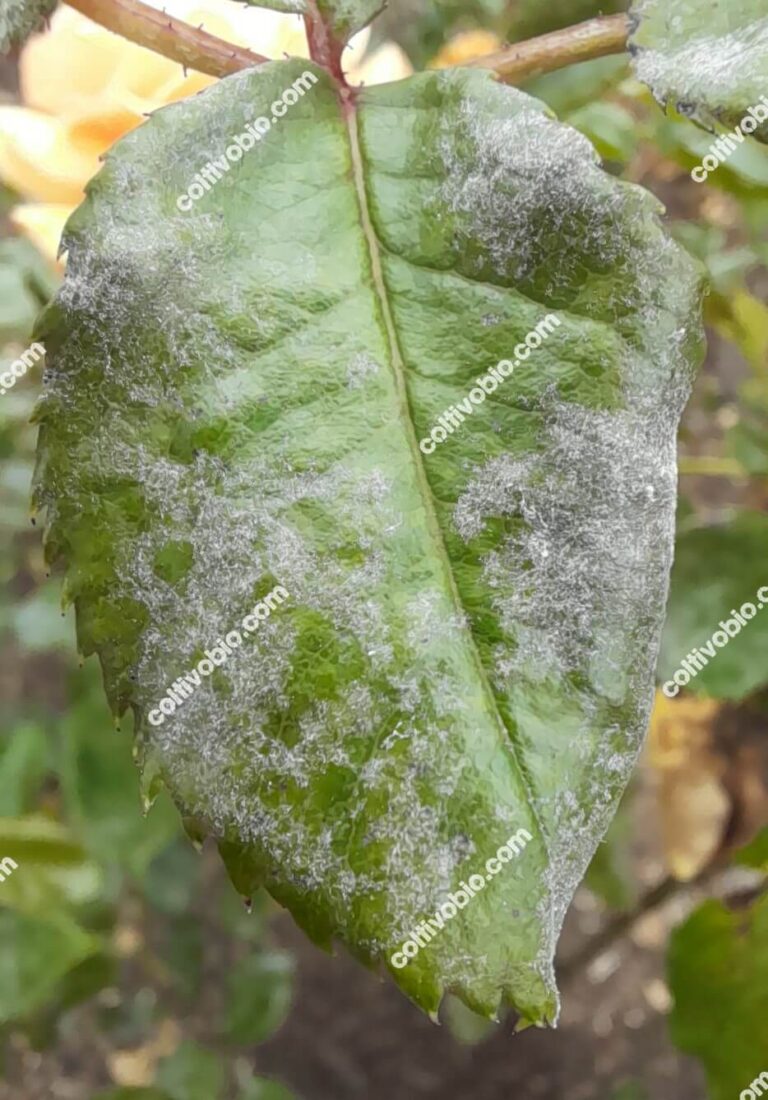
Rose downy mildew is a disease caused by the fungus Peronospora sparsa. Under favorable climatic conditions, this disease can cause severe damage to rose cultivation and may also affect blackberry and raspberry. In this technical guide we will examine the symptoms, biological cycle, and control methods for rose downy mildew. What is rose downy mildew
Read more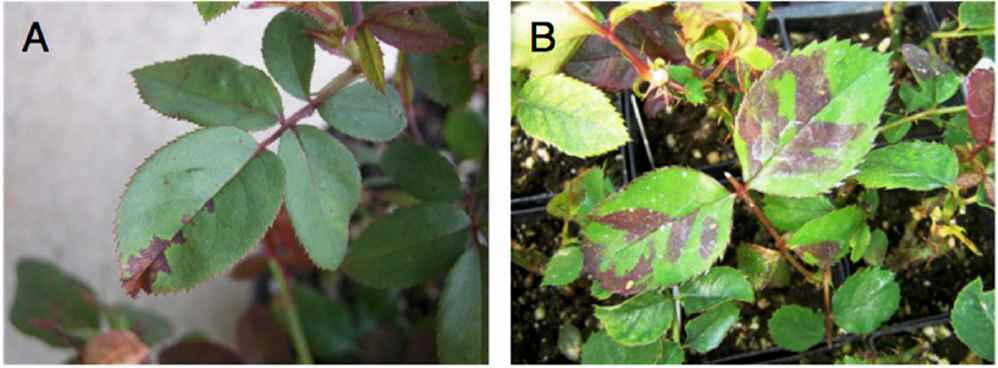
Rose black spot is one of the most common diseases affecting roses. In this technical guide we will discuss how to prevent it and which natural products can be used as effective remedies. Symptoms and damage of the disease Rose black spot is a disease caused by the fungus Diplocarpon rosae (sexual stage); the asexual
Read more