
Harmful insects
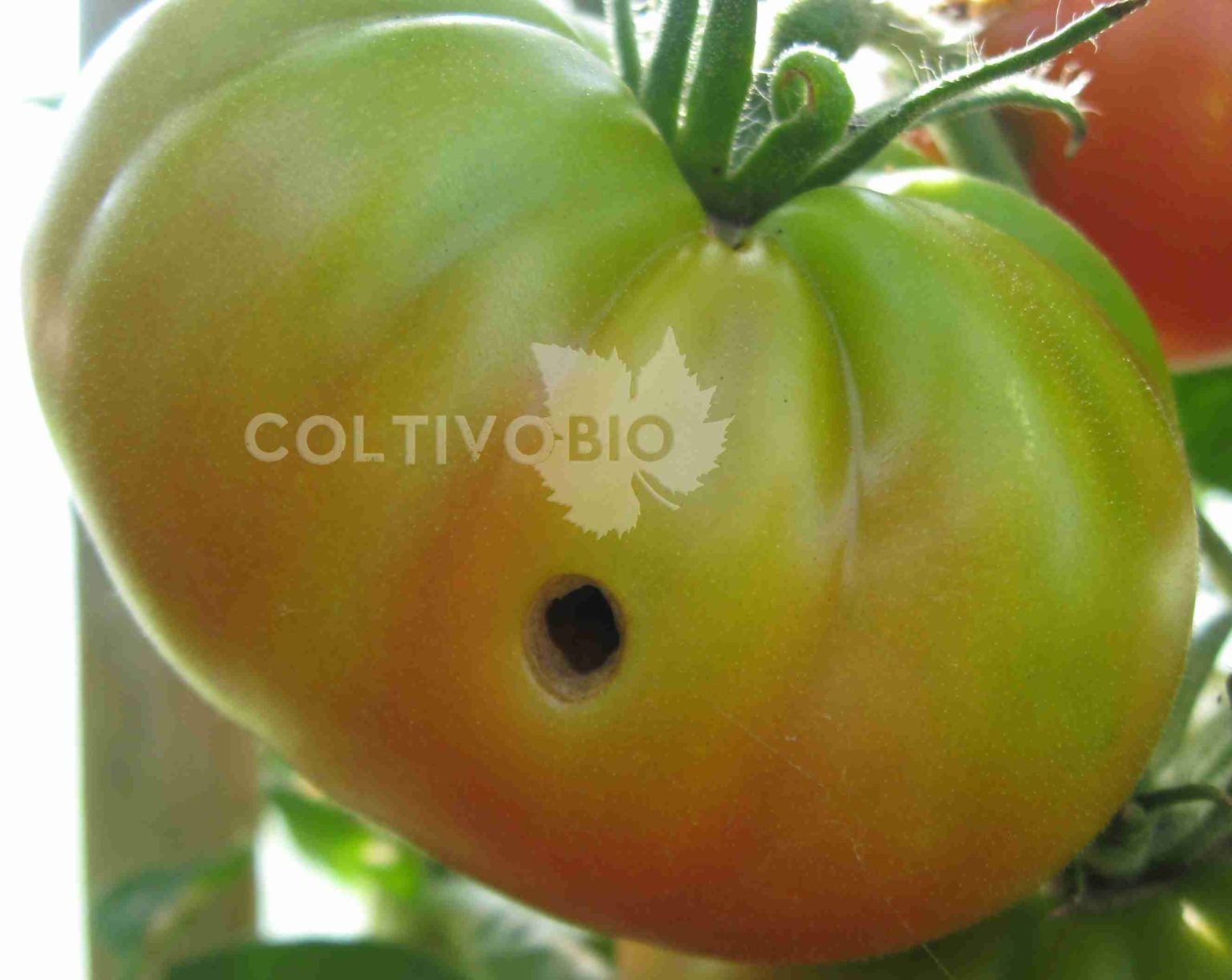
The southern green stink bug, scientifically known as Nezara viridula, is a plant-feeding insect belonging to the family Pentatomidae. Adults and nymphs attack many crops by piercing plant tissues and causing fruit deformation, discoloration, and internal damage. This article contains affiliate links. We may earn a commission from qualifying purchases. What is the southern green
Read more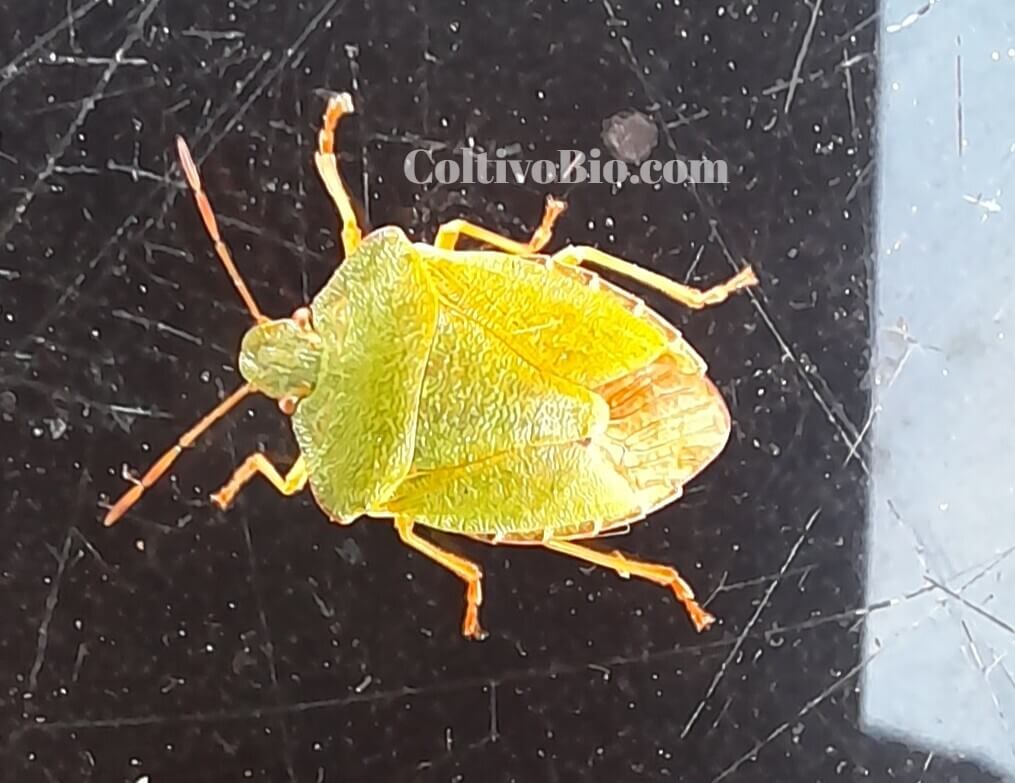
What Is the Brown Marmorated Stink Bug? The brown marmorated stink bug (Halyomorpha halys), commonly abbreviated as BMSB in the United States, is an insect belonging to the order Hemiptera and the family Pentatomidae. Native to East Asia, it is a highly destructive, polyphagous pest that feeds on numerous fruit and vegetable crops, including apple,
Read more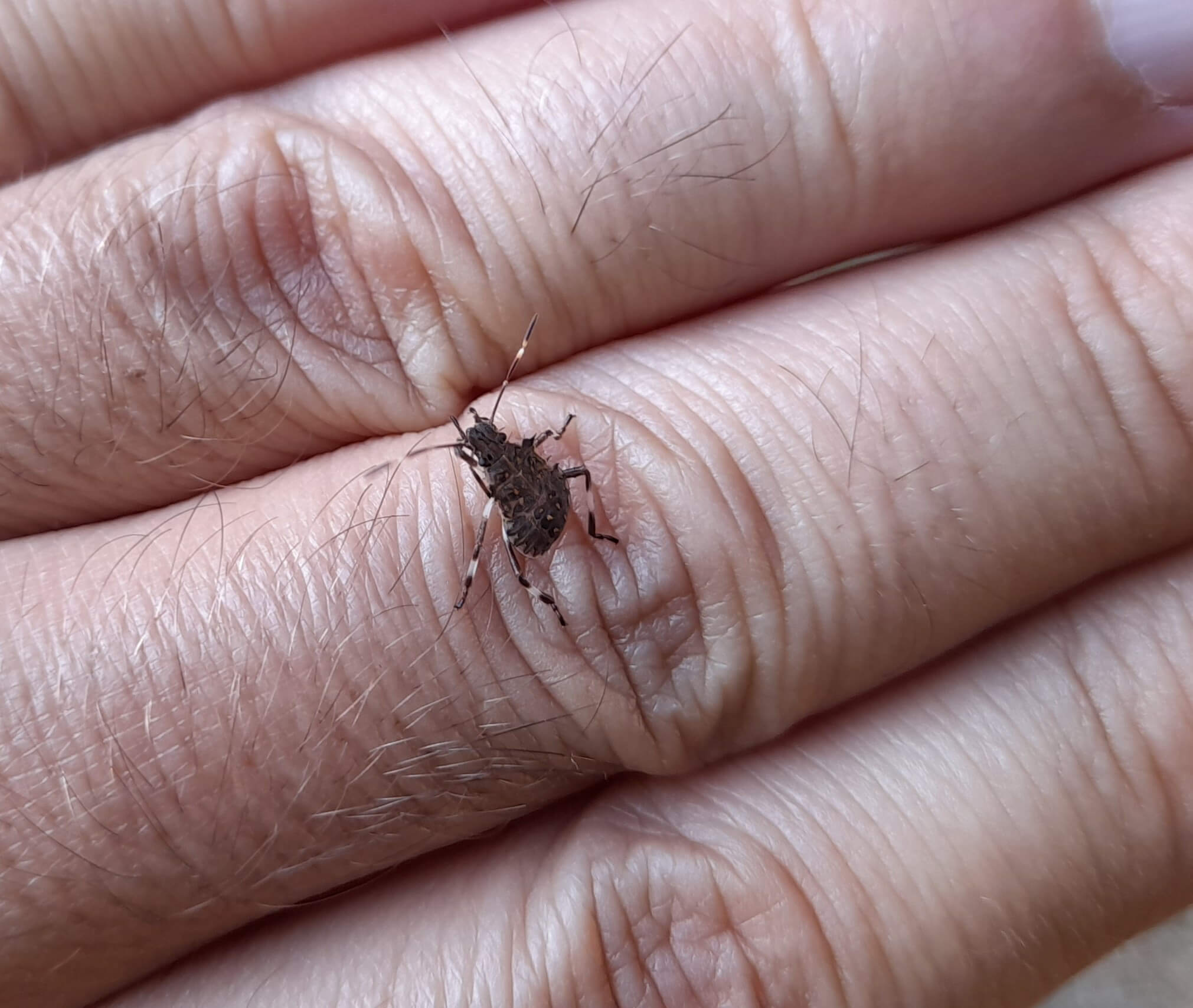
Fig wax scale is an insect pest that primarily attacks fig trees. Controlling this scale can be particularly difficult, so timely action at the right stages of its life cycle is essential. This technical guide covers the biology and management of this pest. Fig wax scale is also present in the United States, where it
Read more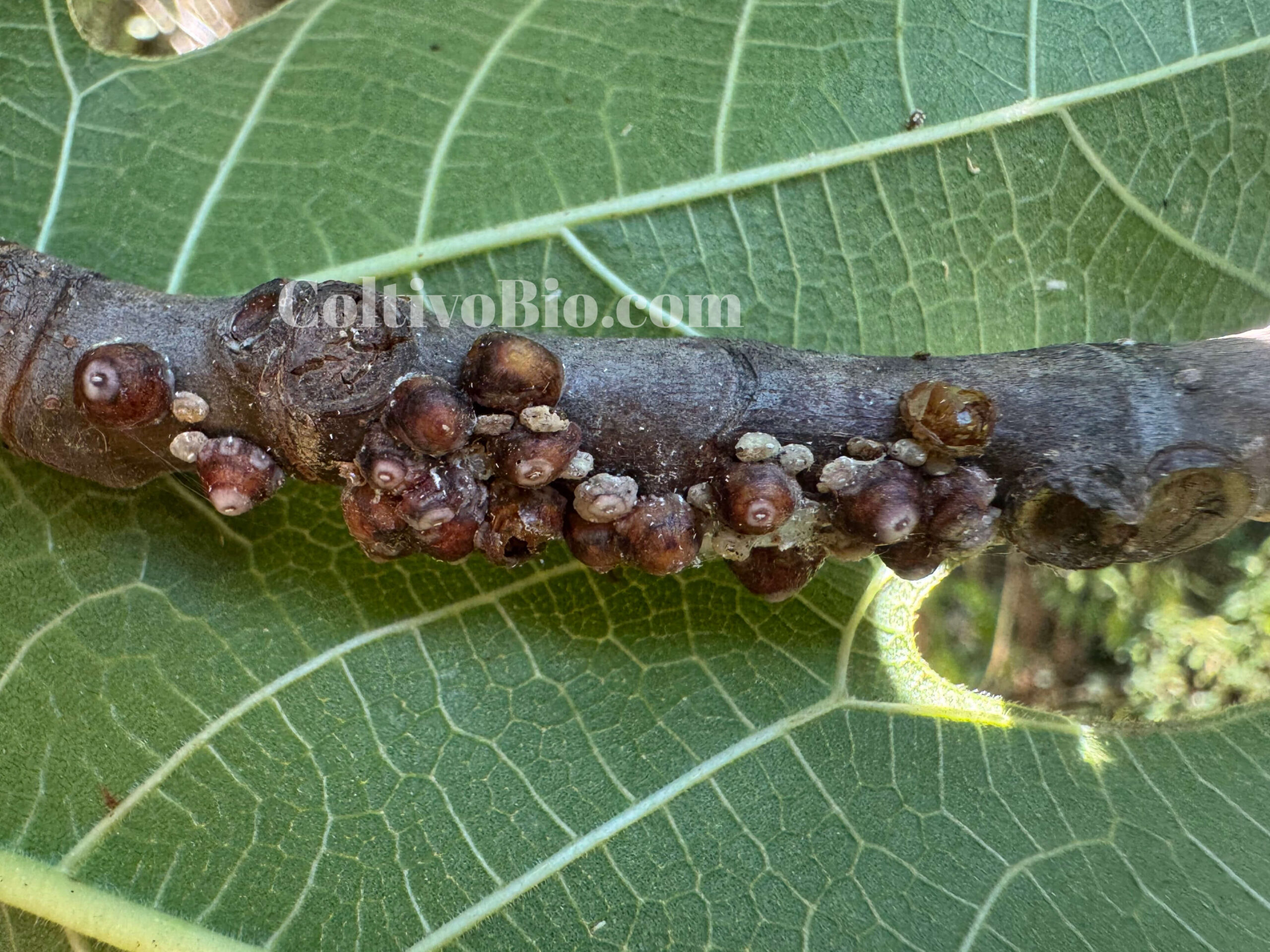
The mealy plum aphid (Hyalopterus pruni), also called the mealy aphid, is a fairly common pest of plum trees. It forms colonies mainly on the undersides of leaves and is easily recognizable by the characteristic whitish waxy secretion that covers the individuals. Original field photos The images in this article are original photographs taken personally
Read more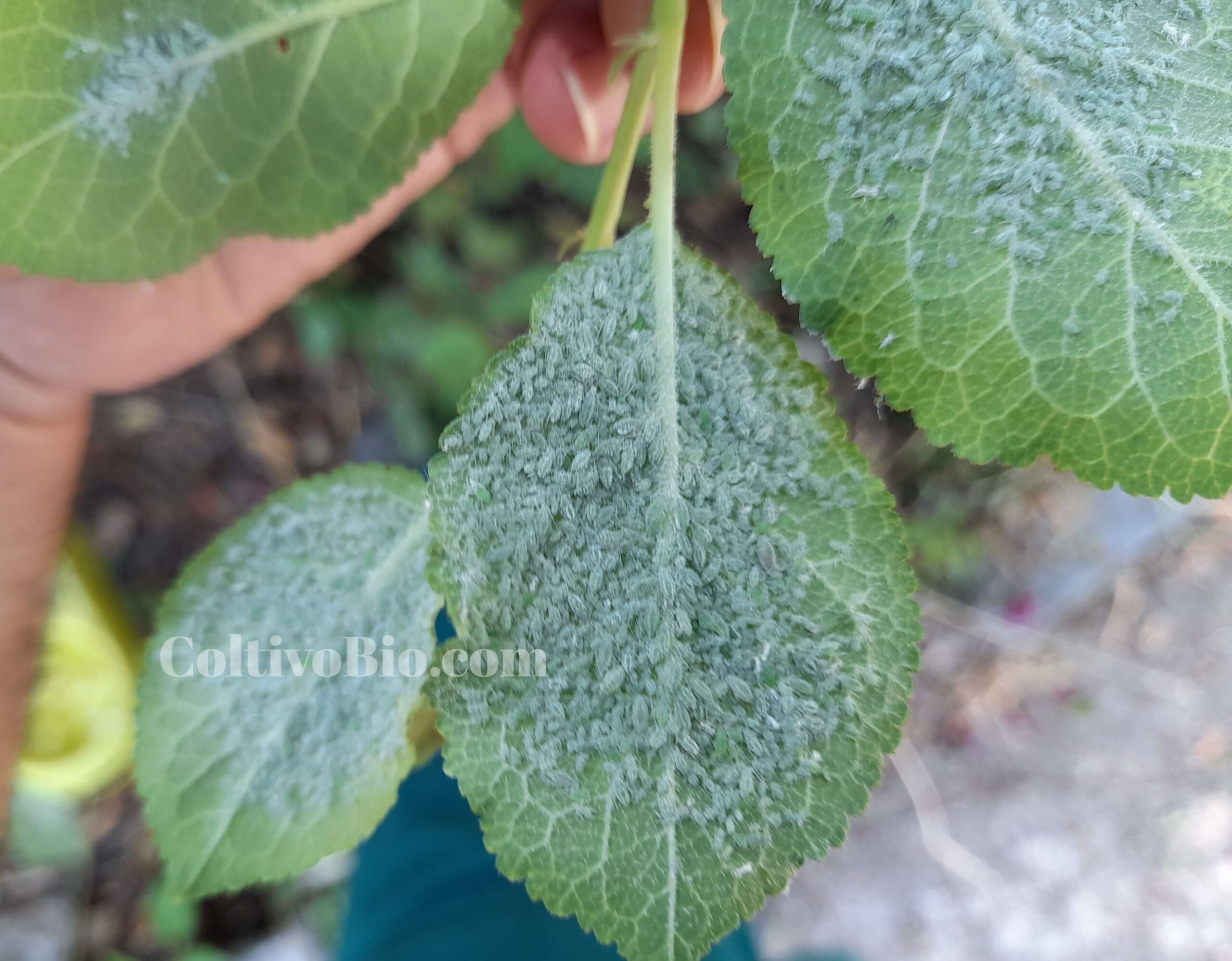
Brachycaudus helichrysi, known in English as the leaf-curling plum aphid, is an aphid that attacks plum trees and is characterized by its ability to cause severe curling and deformation of young leaves and shoots. Infestations are particularly important in spring, during periods of rapid vegetative growth. Original field photos The images in this article are
Read more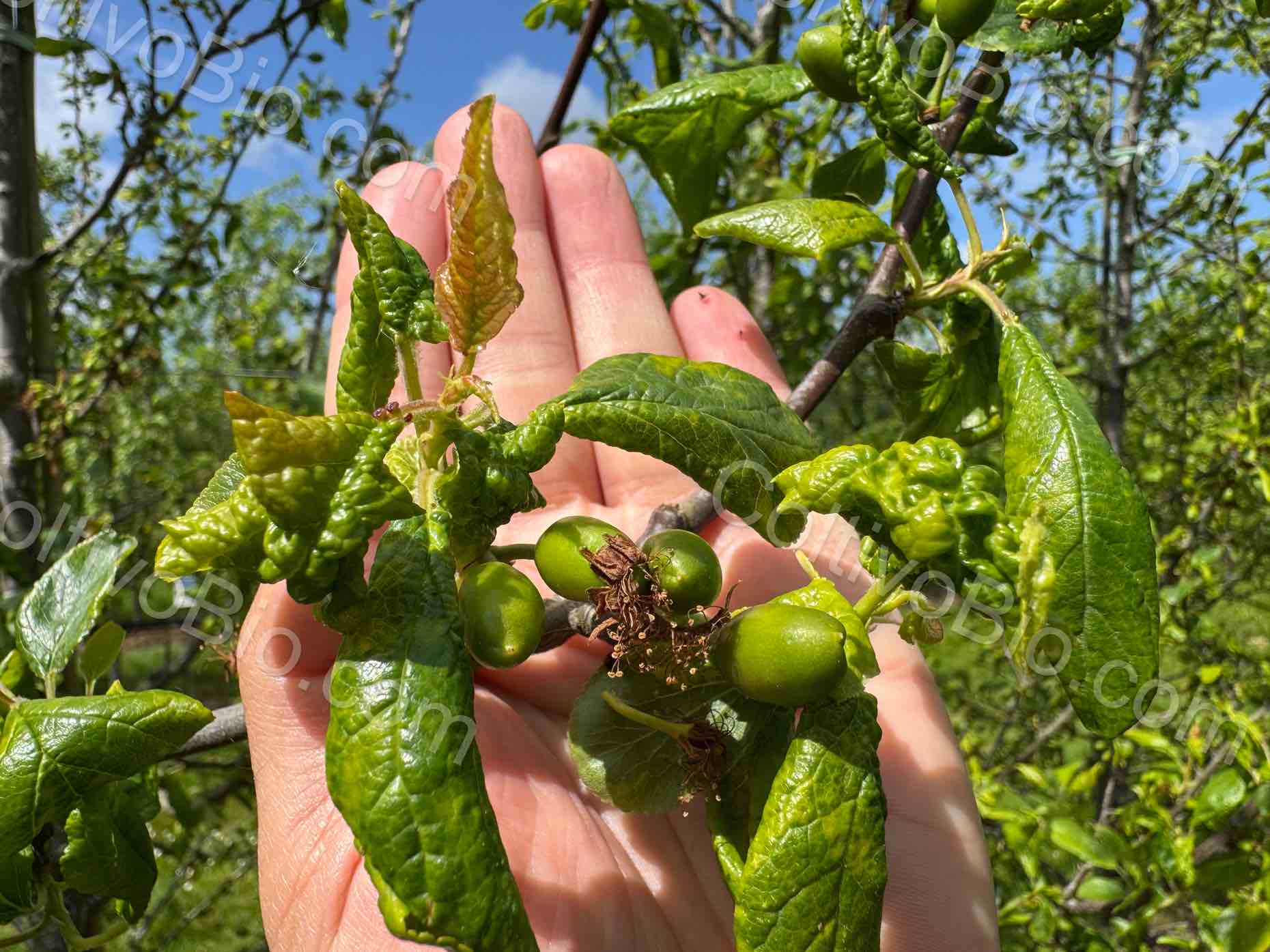
The apple rust mite is a small phytophagous mite belonging to the Eriophyidae family. One of the main species associated with apple is Aculus schlechtendali, although other eriophyid mites may also be present on the crop, such as Phyllocoptes malinus and Eriophyes mali Nalepa (1926), the latter not reported in Italy, which are responsible for
Read more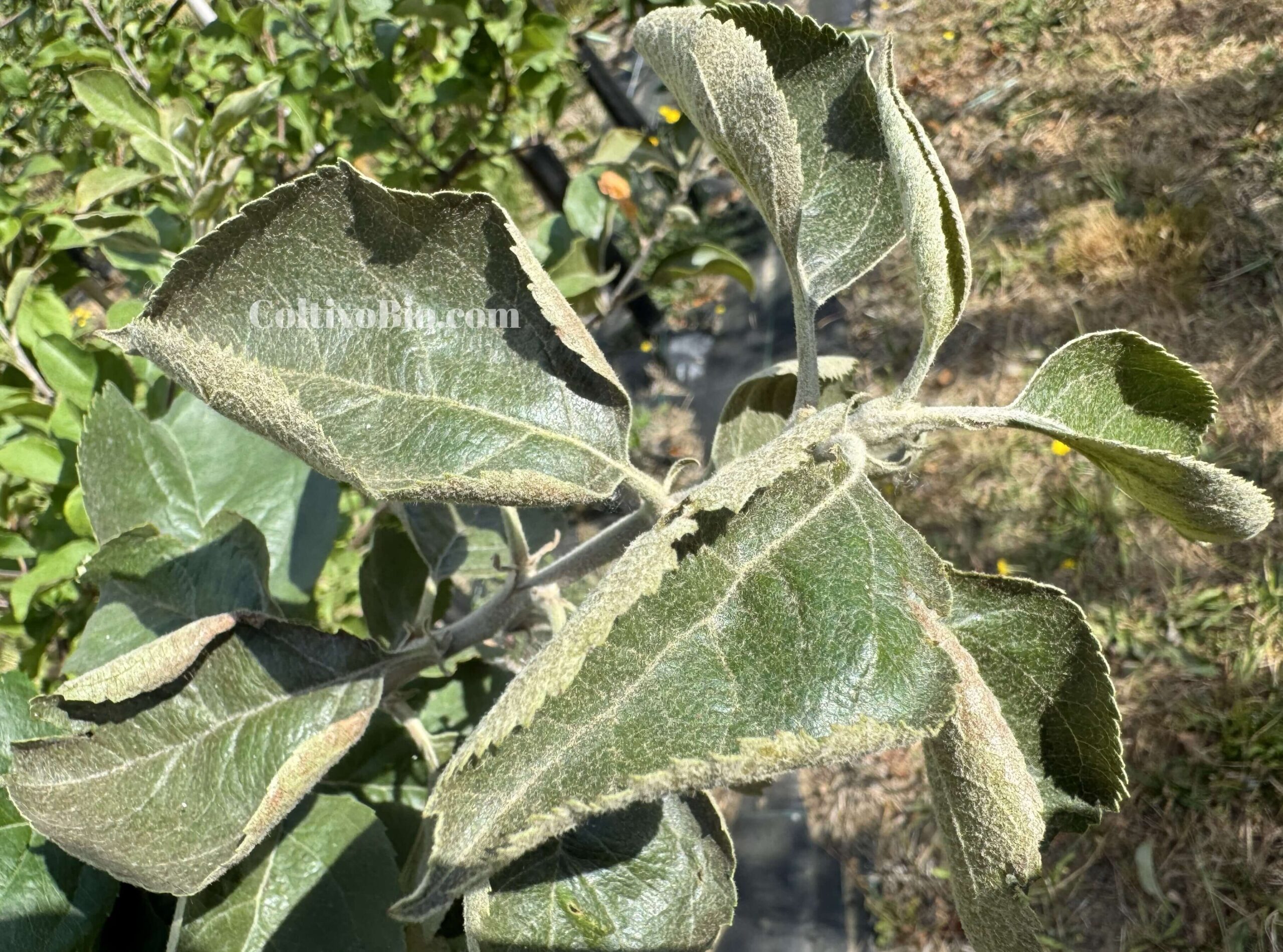
he plum fruit moth, currently classified as Grapholita funebrana (Treitschke, 1835) and still widely known as Cydia funebrana, is one of the main fruit-feeding pests of plum trees. The larvae penetrate the fruits (plums), where they feed on the flesh, causing direct damage to production, premature fruit drop and greater susceptibility to secondary disorders. 📷
Read more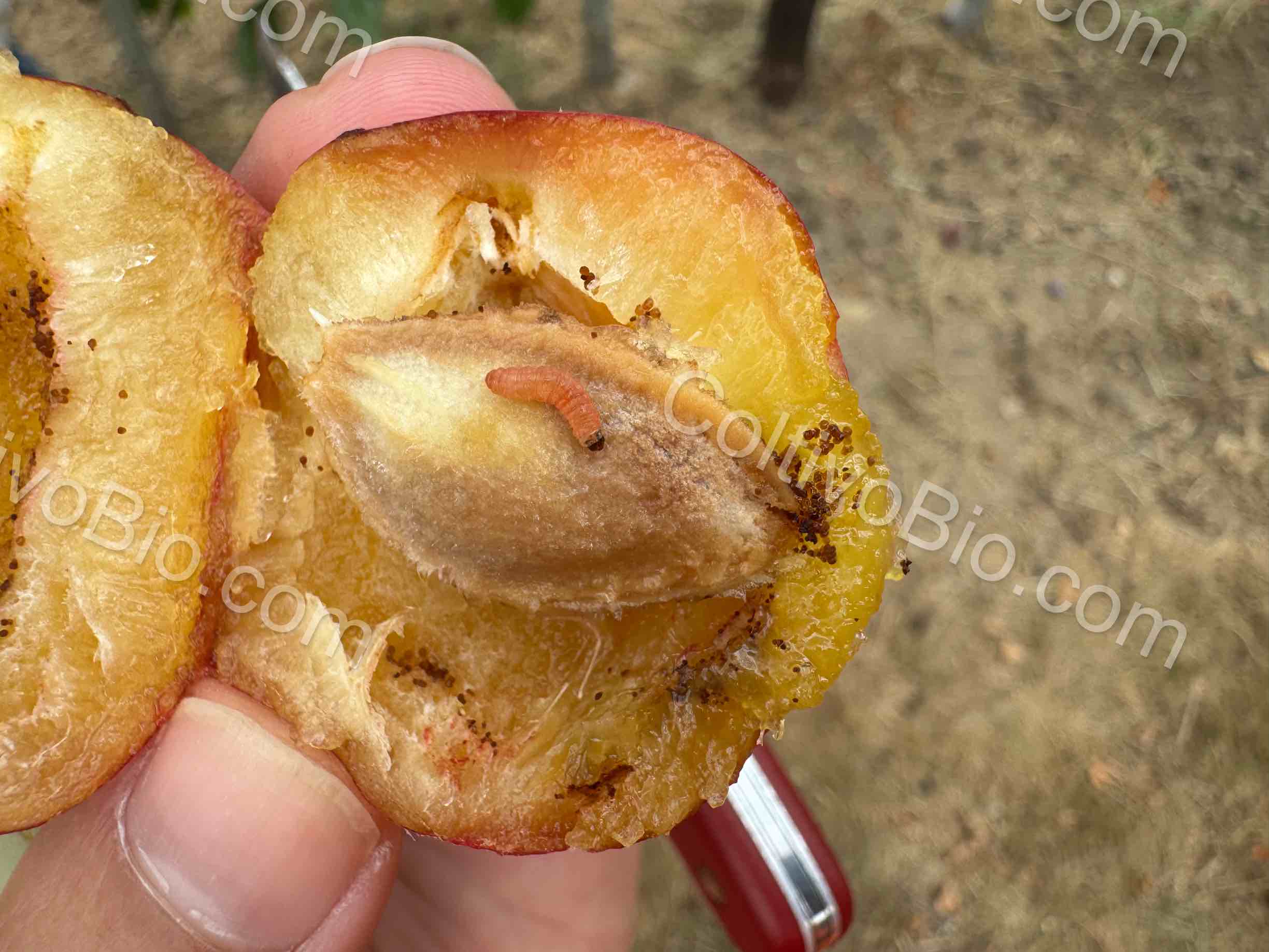
Eriophyid mites include several species of extremely small mites that can cause a characteristic bronzing of the foliage. As the infestation develops, leaves gradually lose their normal green colour and may become bronze, dark or appear scorched. When populations reach high levels, these symptoms can affect a substantial part of the canopy. 📷 Original field
Read more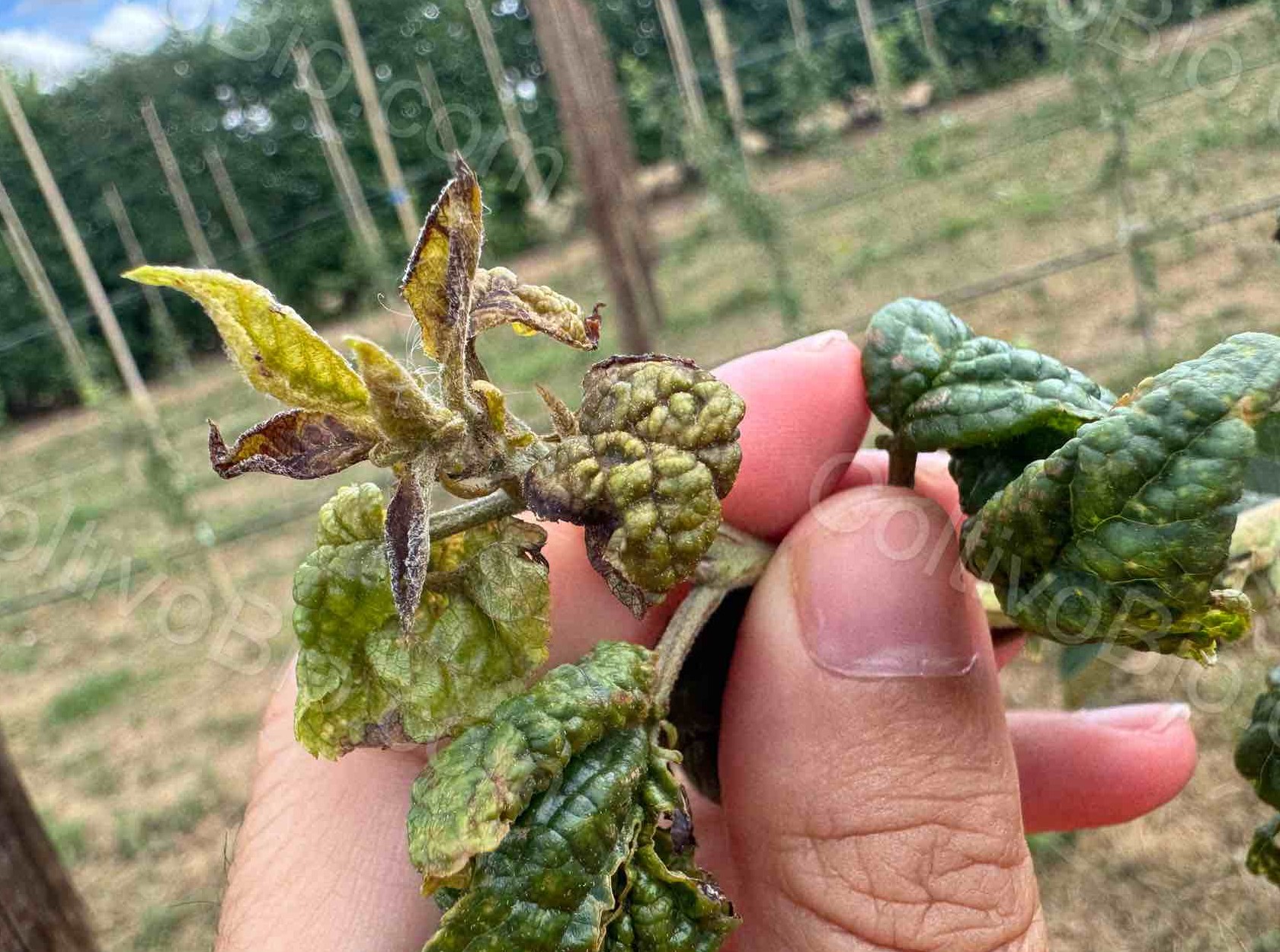
The box tree moth (Cydalima perspectalis) is a moth native to Asia that has rapidly spread across Europe in recent years, becoming one of the most important pests of boxwood (Buxus spp.). Its destructive potential is linked not only to the voracious feeding behavior of the larvae but also to its ability to produce multiple
Read more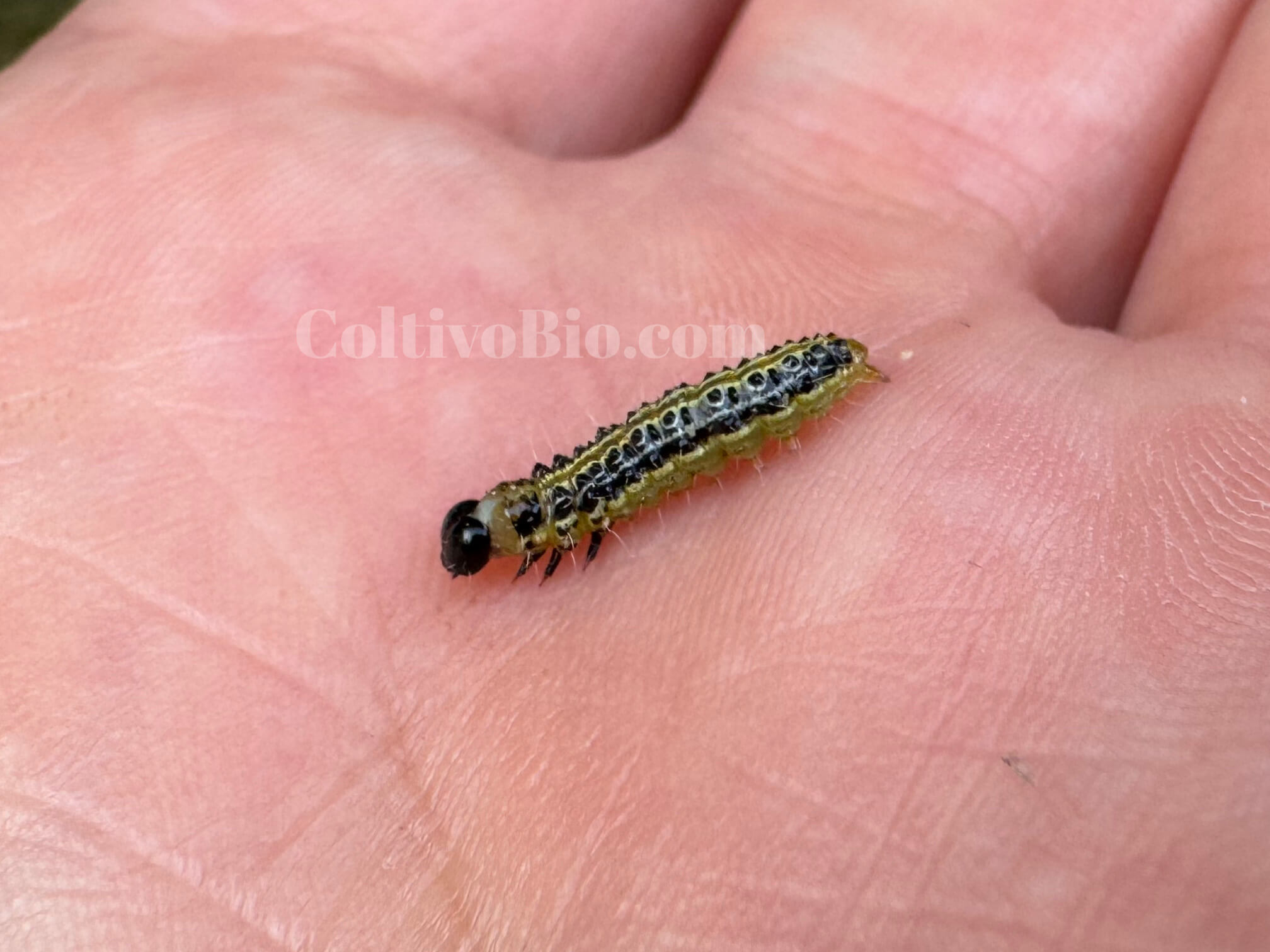
Roses can host several aphid species in spring and summer; the most common is usually Macrosiphum rosae. This rose aphid can reach up to 3.5 mm in length, and its color ranges from pink to green. It can form dense colonies and produce large amounts of honeydew. Symptoms Rose aphids cluster on flower buds, shoot
Read more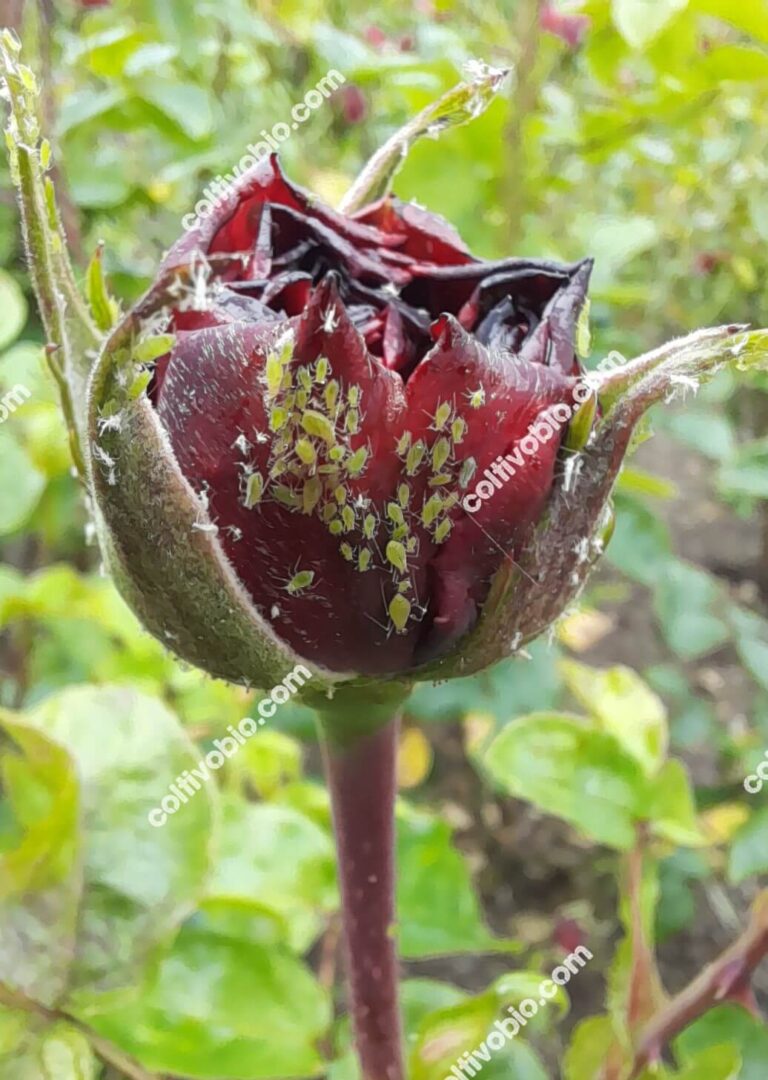
Identification and damage caused by the insect Claudius pectinicornis is an insect belonging to the order Hymenoptera whose larvae cause damage to plants in the Rosaceae family, especially cultivated roses. The common name of this insect is rose sawfly or black rose sawfly. The adult resembles a small black wasp about 5–6 mm long (see
Read more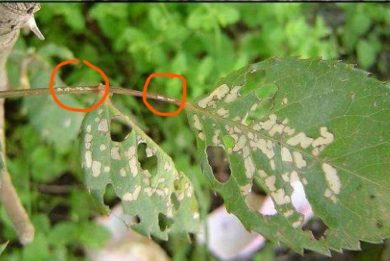
Identification The cotton bollworm, scientific name Helicoverpa armigera (synonym Heliothis armigera), is a lepidopteran belonging to the family Noctuidae. It is a highly polyphagous insect, widespread throughout Italy and among the most dangerous pests of tomato cultivation. This species feeds on a wide range of plants, including maize, vegetables, and various ornamental crops. Adults are
Read more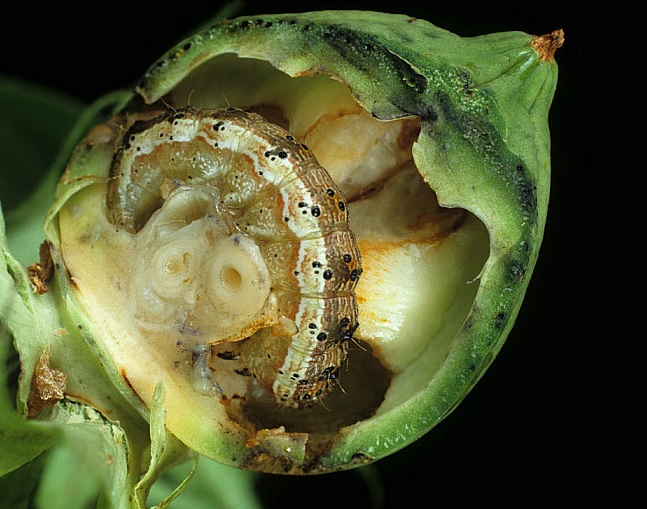
The rosy apple aphid (Dysaphis plantaginea) is one of the most feared pests of apple trees, together with codling moth. If not promptly controlled, this aphid can cause serious damage to apple trees. In this technical sheet, we will analyze how to control this insect using organic pest management. At the end of the article,
Read more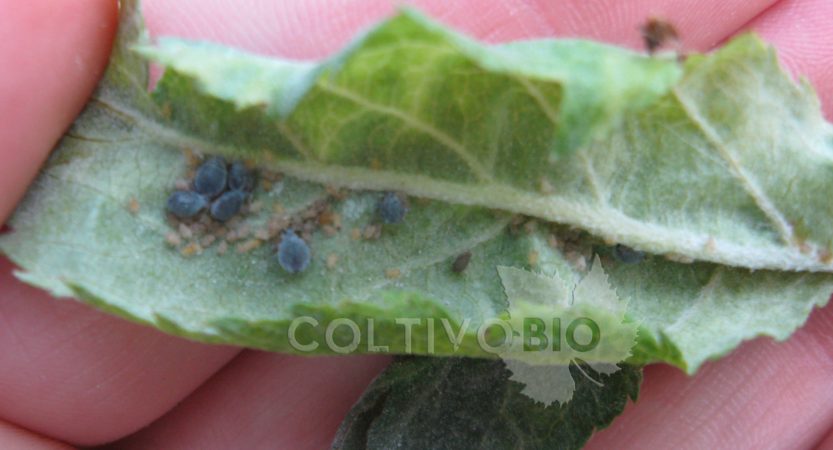
In this article we will look at how to manage infestations of Tetranychus urticae, commonly known as the red spider mite also known as the two-spotted spider mite. We will examine its biological cycle, useful insecticides as control measures, and natural antagonists. Identification and damage Tetranychus urticae is the scientific name of the red spider
Read more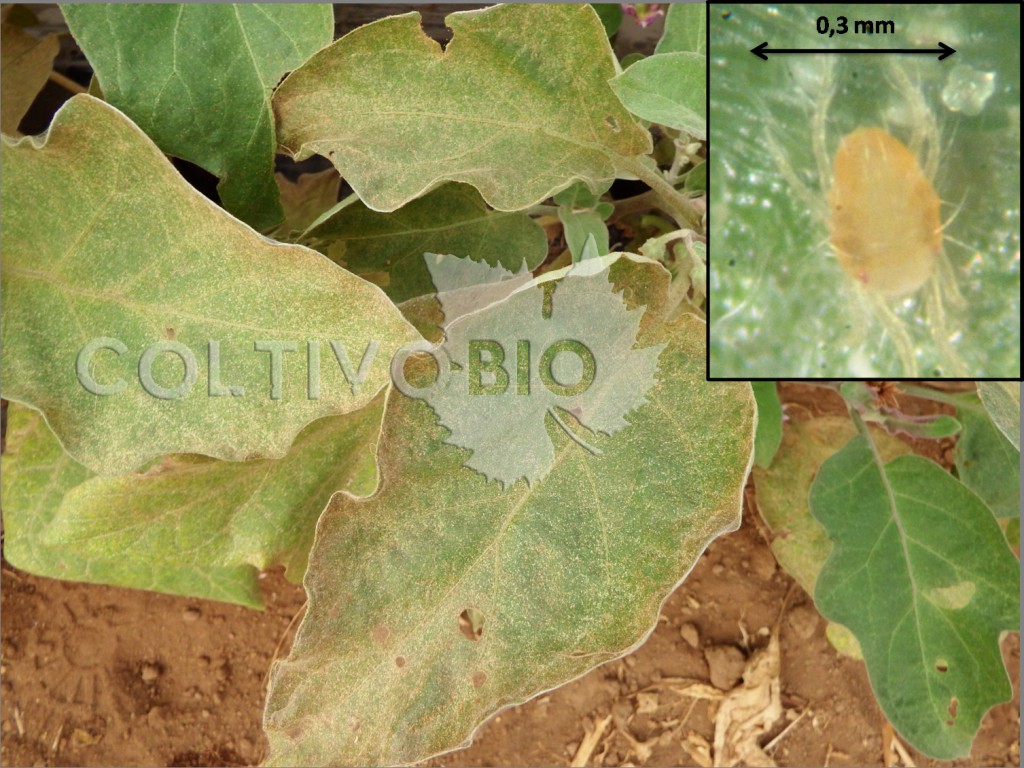
The vegetable or cotton leafworm is a common insect pest that attacks many vegetable crops, causing serious damage to product quality. In this technical sheet we will examine which natural remedies can be used to control Spodoptera littoralis in organic agriculture. Description and damage of the vegetable leafworm Spodoptera littoralis (Boisduval) is commonly known as
Read more