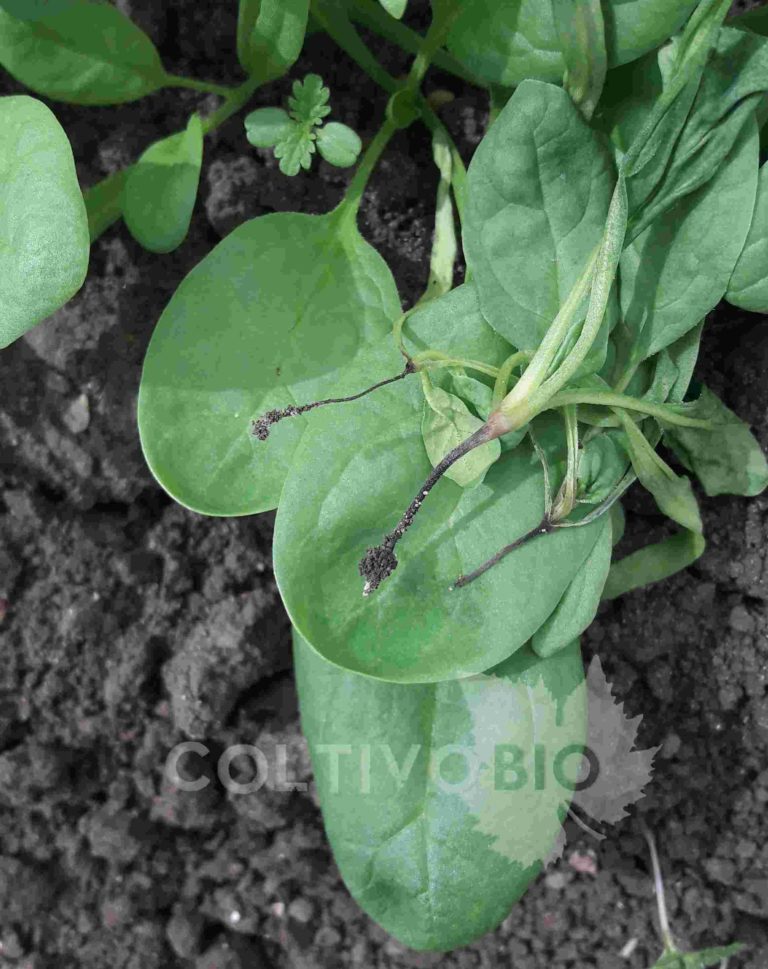

Fungal diseases
Early blight of tomato and potato is caused by the fungus Alternaria solani. If not properly managed, this disease can cause severe damage to crops. Less experienced growers often confuse it with late blight, which is why correct identification is essential. Identification and damage of the pathogen This fungal disease is caused by Alternaria solani
Read more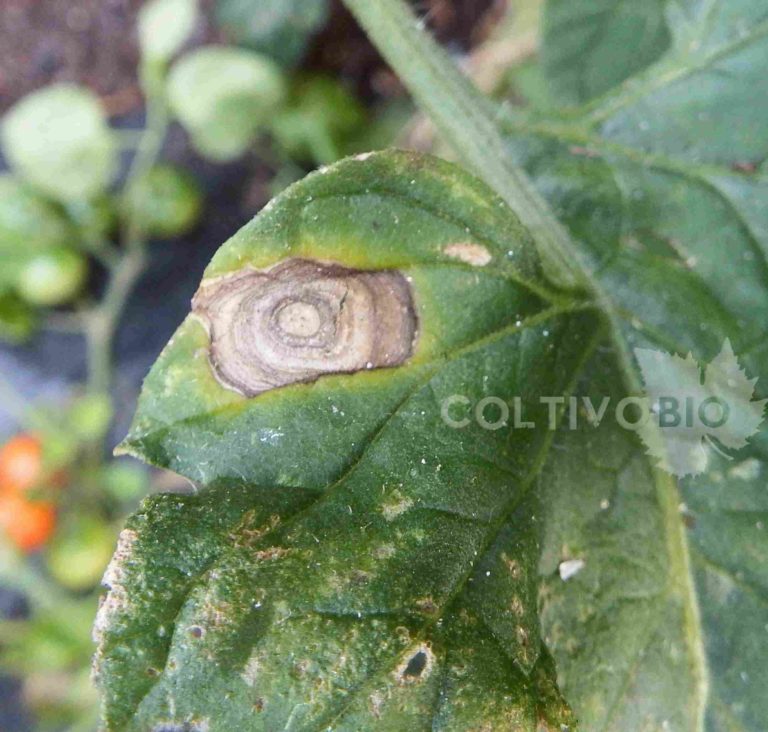
Botrytis or gray mold is among the most common diseases affecting grapevines at harvest time. In this technical guide, we will see how to recognize this disease and the correct control strategies in organic agriculture. Description and symptoms of Botrytis Along with powdery mildew and downy mildew, Botrytis is one of the most dangerous fungal
Read more
Identification The disease is caused by the pathogen Fusarium oxysporum f. sp. lycopersici, where f. sp. stands for forma specialis, indicating a host-specific pathogen—in this case, tomato. It is a rather serious disease that mainly affects professional farming operations, where intensive cultivation favors the spread and accumulation of inoculum. This fungal pathogen causes a tracheomycosis,
Read more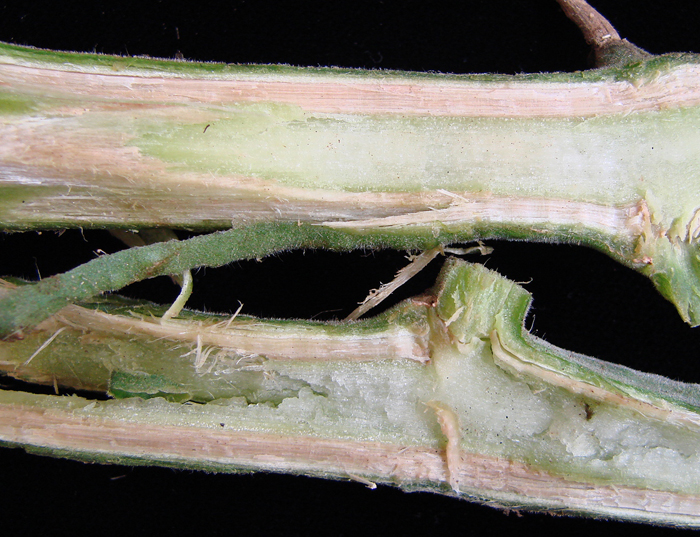
What is Pythium spp. and how to recognize this disease Pythium is a genus of oomycetes found worldwide that, under certain conditions, can cause severe damage to agricultural crops as well as turfgrass and lawns. Many Pythium species are saprophytic, meaning they feed on decomposing plant material. Others, however, are plant parasites, many of which
Read more