
Means of defense Mixed posts
This scientific article explores all the characteristics and uses of Trichoderma in agriculture. Trichoderma is a powerful tool for the biological control of many root pathogens in both organic and conventional agriculture. Since it is a living product, it must be used with appropriate care in order to maximize its effectiveness. In addition to formulations
Read more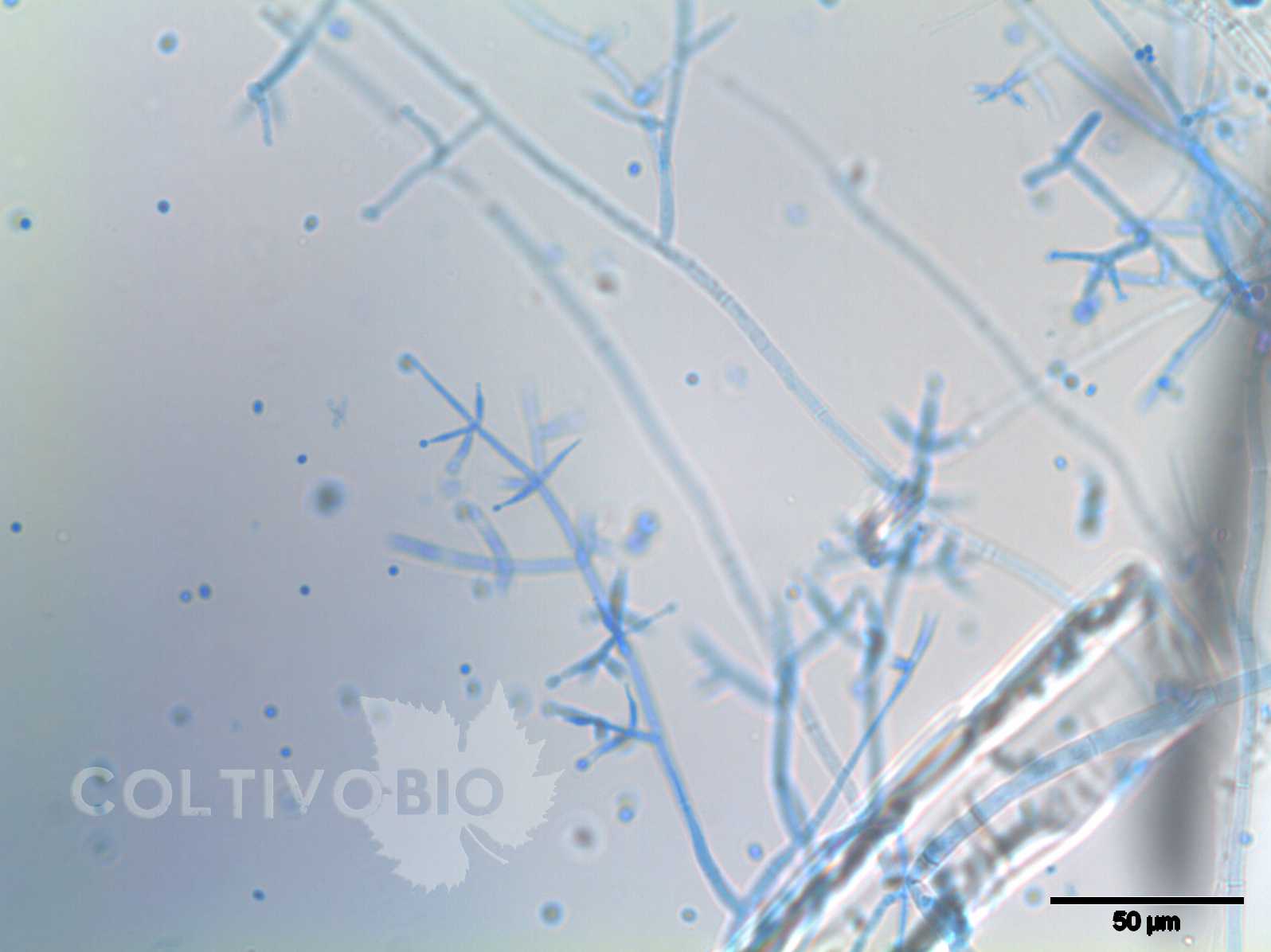
Use of sulfur in agriculture Sulfur has been used as a fungicide for more than 200 years and, due to its characteristics, it remains a widely used plant protection tool today, both in conventional and organic agriculture. Its main use is against powdery mildew diseases (see, for example, tomato powdery mildew (here), and it also
Read more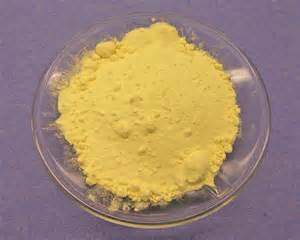
Powdery mildew, also known as white mold of solanaceous crops, is a plant disease caused by the fungus Leveillula taurica. This disease affects several cultivated plants, including tomato and artichoke. In this technical sheet, we will examine the symptoms, treatments, and biological control of powdery mildew. At the end, you will find a link to
Read more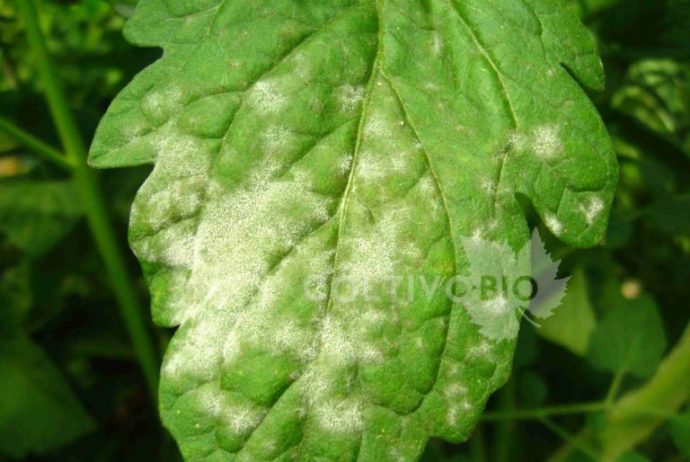
In this technical sheet we will see how to identify tomato late blight and how to effectively prevent it through the use of good agronomic practices and preventive natural remedies. At the end of the article you will find a link to access a list of fungicides for the treatment and prevention of this typical
Read more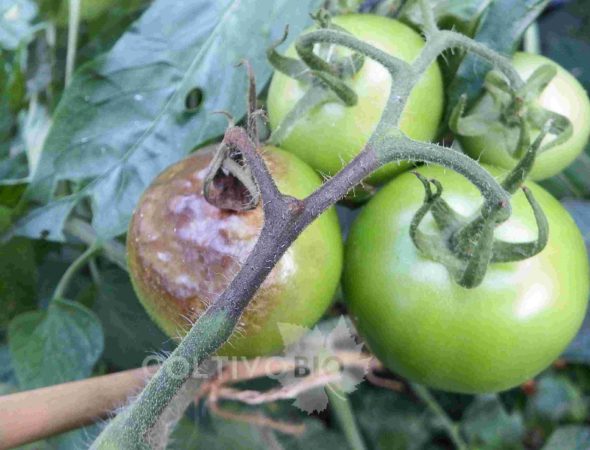
Tomato plants can be affected by diseases, pests and growing disorders that often produce similar symptoms. This guide will help you identify the most common tomato problems in the United States and choose the appropriate control strategy. This article contains affiliate links. We may earn a commission from qualifying purchases Disease Agents: Fungal Diseases Tomatoes are
Read more